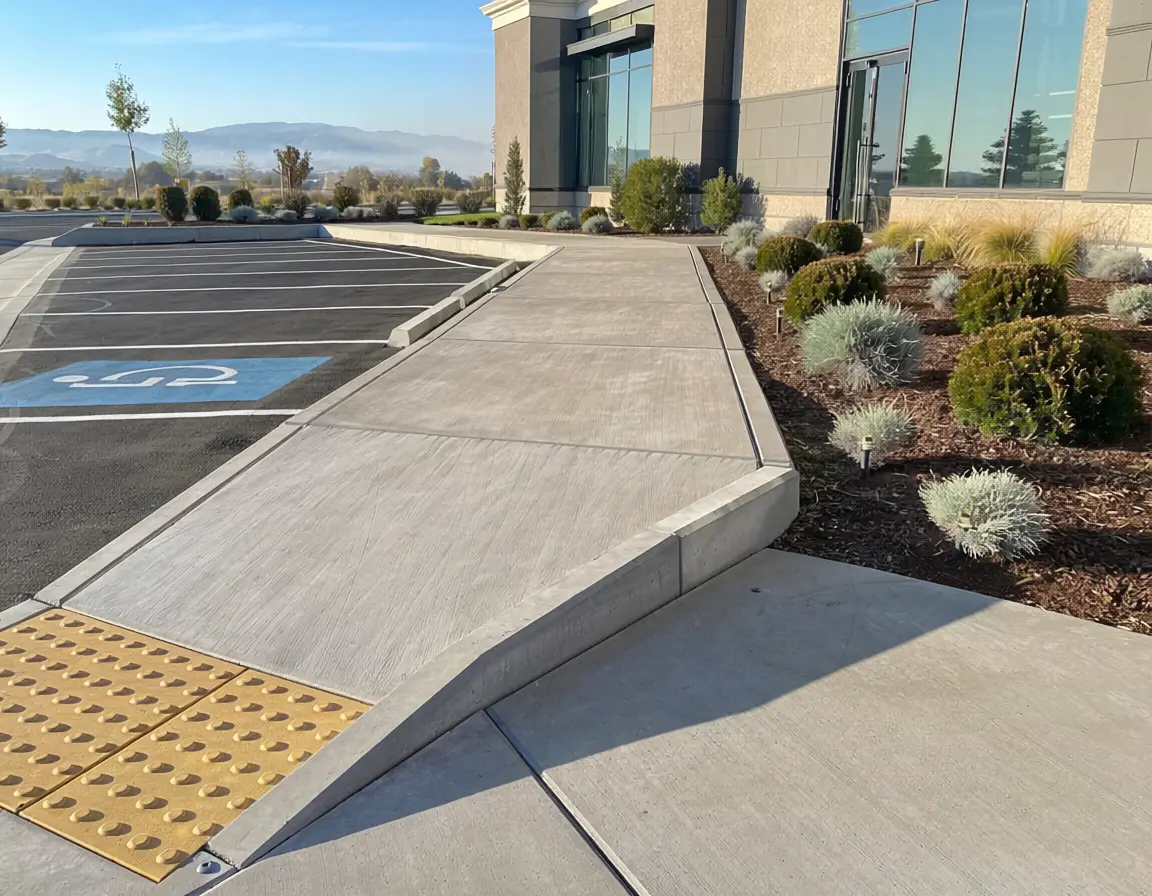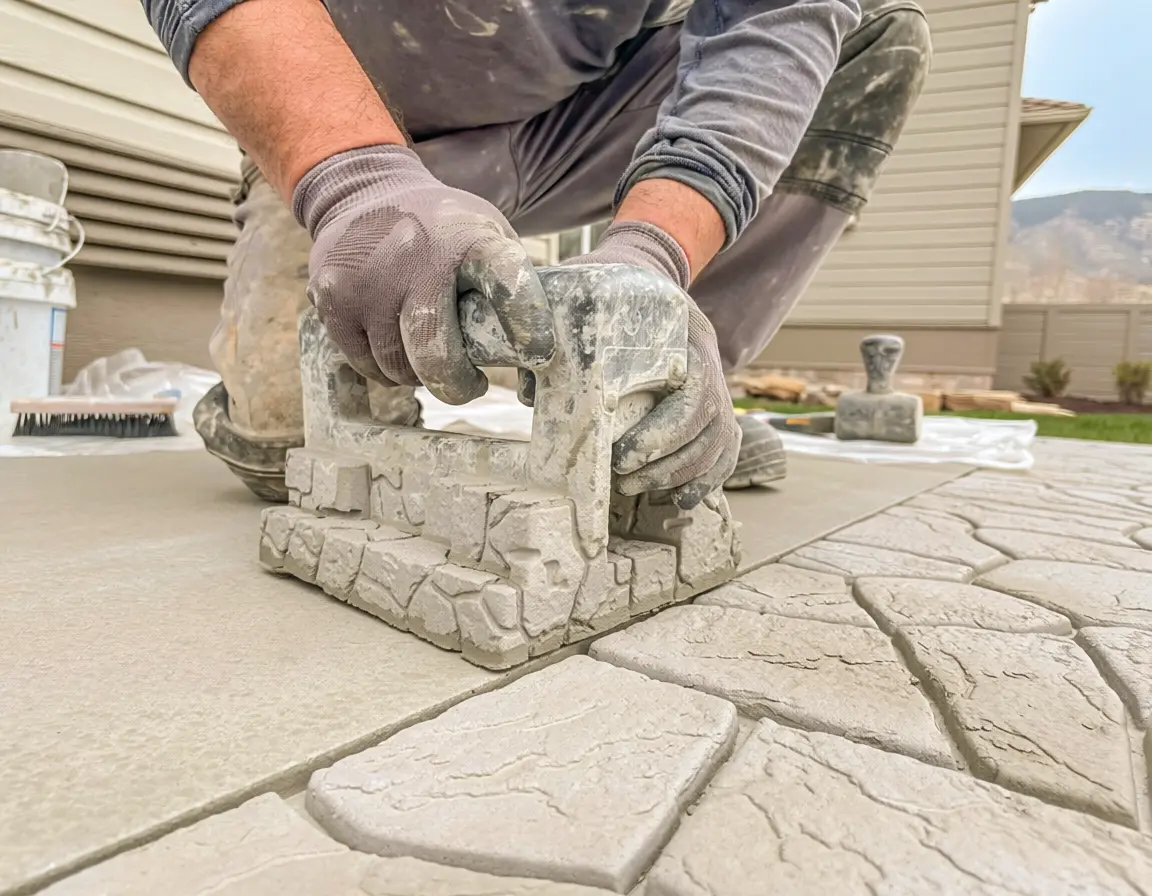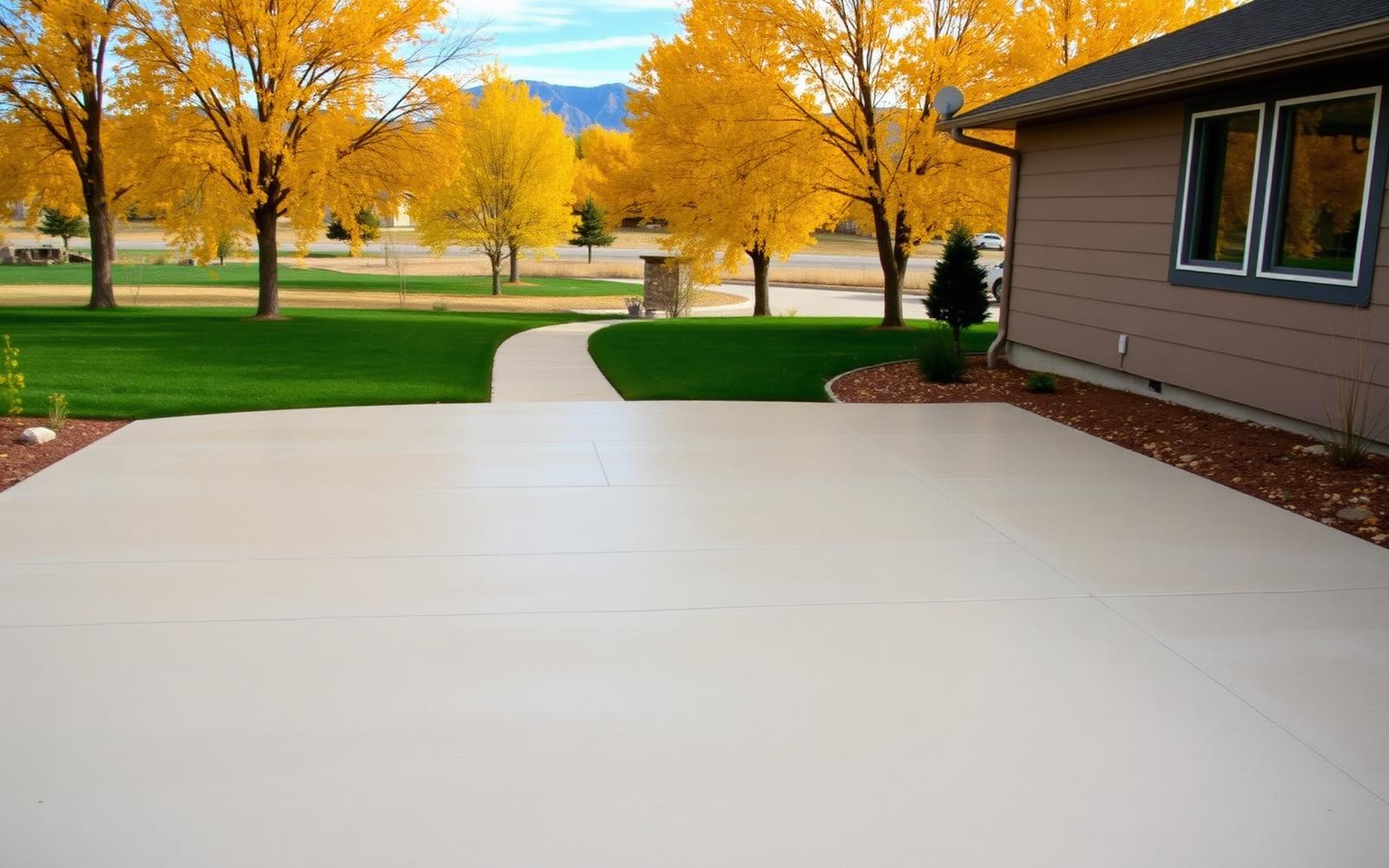
Air temperature, ground conditions, sun, wind, and the forecast during curing all affect scheduling. Here's a month-by-month guide to planning a driveway, patio, or slab in Northern Colorado.
Homeowners often assume concrete can only be poured during summer. Others believe any dry day is suitable. In reality, successful concrete work depends on more than the season printed on the calendar.
Air temperature, ground conditions, wind, sun exposure, precipitation, concrete temperature, and the forecast during the curing period can all affect scheduling. A well-equipped contractor can work through a broad part of the year, but every pour requires planning around current site and weather conditions.
For Fort Collins and the surrounding Northern Colorado communities, mild weather is generally easier to manage. That often makes late spring and early fall popular times for driveways, patios, walkways, retaining walls, and other exterior concrete projects.
Why Weather Matters When Pouring Concrete
Concrete does not simply "dry." It gains strength through hydration, a chemical reaction between cement and water. Temperature affects how quickly that process occurs.
Cold conditions can slow strength development and create a risk of early-age freezing. The American Concrete Institute defines cold-weather concreting conditions as periods when air temperature has fallen, or is expected to fall, below 40°F during the required protection period. ACI also explains that concrete can perform successfully in cold weather when it is properly produced, placed, protected, and cured.
Hot, sunny, dry, or windy weather creates a different challenge. Moisture can leave the surface too quickly, shortening finishing time and increasing the risk of surface defects if the pour is not managed correctly.
The key is not finding one perfect month. It is choosing a suitable weather window and using the right placement and curing practices.
The Best General Seasons: Late Spring and Early Fall
Late spring and early fall often provide moderate daytime temperatures, manageable overnight conditions, and fewer extremes than midwinter or the hottest summer afternoons.
These seasons can be well suited for:
- Concrete driveways
- Patios and walkways
- Stamped or decorative concrete
- Garden and retaining walls
- Parking pads
- Steps and small slabs
- Commercial flatwork
They are also popular scheduling periods, so homeowners benefit from requesting estimates before their preferred construction window.
A Month-by-Month Concrete Planning Guide
Weather varies from year to year, and daily forecasts matter more than broad assumptions. Still, this seasonal guide can help Northern Colorado property owners plan ahead.
January and February
Winter concrete work is possible, but it requires careful preparation and protection. The ground must be suitable, and fresh concrete cannot simply be placed on frozen or snow-covered subgrade. Cold-weather methods may include adjusted concrete mixtures, heated materials, insulated blankets, enclosures, or other protection selected for the project.
ACI's cold-weather guidance focuses on preventing early-age freezing, supporting normal strength development, limiting rapid temperature changes, and maintaining appropriate curing conditions. For non-urgent residential flatwork, many homeowners use winter to collect estimates, finalize layouts, select finishes, and reserve a spring date.
March and April
Early spring can bring promising daytime temperatures, but overnight freezes, snow, wet soil, and thawing ground may still affect the schedule. A dry-looking surface does not always mean the subgrade is ready. Contractors may need to evaluate soil stability, moisture, access, and upcoming nighttime temperatures before confirming a pour.
This is a good period to schedule:
- Driveway replacement estimates
- Patio design consultations
- Concrete demolition
- Site clearing
- Drainage planning
- Retaining-wall evaluations
May and June
Late spring is often one of the most convenient periods for exterior concrete. Temperatures are generally more moderate than midsummer, and the ground is more likely to be workable than in early spring.
However, Northern Colorado can still experience rain, hail, wind, and sudden temperature changes. Contractors watch short-range forecasts and may adjust start times or postpone a pour when conditions could affect finishing or curing. Homeowners planning a summer patio should contact contractors before this period because schedules can fill quickly.
July and August
Concrete can be poured during summer, but high temperatures, direct sunlight, low humidity, and wind may cause rapid moisture loss. Crews may start early, plan smaller placement sections, coordinate delivery timing carefully, use appropriate curing methods, and protect the fresh surface from drying too quickly.
Decorative concrete also requires careful timing because stamping and finishing must happen within a workable window. A rushed surface can compromise appearance, while delayed finishing can make the concrete difficult to texture properly. Summer remains a practical time for concrete work, but heat-management planning is essential.
September and October
Early fall is another popular season for driveways, patios, walkways, and other outdoor flatwork. Daytime temperatures are often comfortable, while the most intense summer heat has passed. As the season progresses, overnight lows become increasingly important. A contractor should consider not only the conditions during placement but also the temperatures expected while the concrete is gaining early strength.
Property owners hoping to complete work before winter should request estimates before fall schedules fill.
November and December
Late-fall and early-winter pours may still be completed when the ground and forecast are suitable and proper protection is available. The project schedule may be less predictable because of snow, frozen soil, and cold nights. Homeowners should allow flexibility and ask how the contractor plans to protect the concrete during the curing period.
Projects involving extensive demolition or excavation may also depend on safe site access and manageable ground conditions.
Is Spring Better Than Fall?
Both seasons can work well. Spring may be a good choice when the goal is to have a patio, walkway, or driveway ready for summer. The main scheduling concerns are wet ground, lingering frost, and variable storms.
Fall may provide stable working temperatures and reduced heat stress. The main concern is the approach of colder nights and the need to protect the concrete if temperatures drop. The better choice depends on the project, property conditions, contractor availability, and the specific forecast.
Can Concrete Be Poured in Winter?
Yes, but winter placement should not be treated like a mild-weather pour. Cold-weather concrete requires a plan for the subgrade, mixture temperature, placement, protection, and curing. ACI states that concrete placed in cold weather can reach the intended strength and durability when it is properly proportioned, produced, placed, and protected.
For homeowners, the practical question is not simply, "Can it be poured?" It is, "Does the contractor have an appropriate cold-weather plan for this specific project?"
Can Concrete Be Poured During Hot Weather?
Yes. As with winter work, the process must be adjusted to the conditions. The crew may schedule an earlier start, reduce delays between delivery and placement, prepare the site thoroughly before the truck arrives, use suitable curing practices, and protect the slab from rapid surface drying. A contractor should also account for shade, wind exposure, slab dimensions, finish type, and access.
How Far Ahead Should You Schedule?
For a standard residential project, it is wise to request estimates several weeks before the desired construction period. Larger, decorative, commercial, or multi-stage projects may require additional lead time.
Planning ahead gives you time to:
- Compare detailed scopes
- Finalize the layout
- Select a finish and color
- Check HOA requirements
- Address access or drainage
- Coordinate demolition
- Review permit requirements
- Prepare landscaping around the work area
Skyline's process includes an initial consultation, on-site walkthrough, detailed written quote, and project construction by its in-house crew.
What Homeowners Can Do Before the Pour
A smooth project starts before concrete arrives. Make sure the contractor knows about irrigation lines, gates, utility locations, drainage concerns, pets, neighborhood access, and other construction happening at the property.
Move vehicles, outdoor furniture, planters, and movable decorations away from the work area. Discuss how long the area must remain closed after the pour and how household members will enter or leave the property. For driveway work, arrange alternative parking before demolition begins.
Schedule Around Conditions, Not Just the Calendar
Late spring and early fall often offer convenient conditions for Northern Colorado concrete work, but a qualified contractor can complete projects during many parts of the year with the right preparation and protection. The best timing depends on the site, project type, ground conditions, finish, and forecast.
Skyline Concrete & Services installs driveways, patios, walkways, decorative concrete, walls, commercial flatwork, and custom concrete projects across Fort Collins and communities throughout Northern Colorado. Contact Skyline for a free on-site estimate and a realistic schedule based on your property, project goals, and current weather conditions.