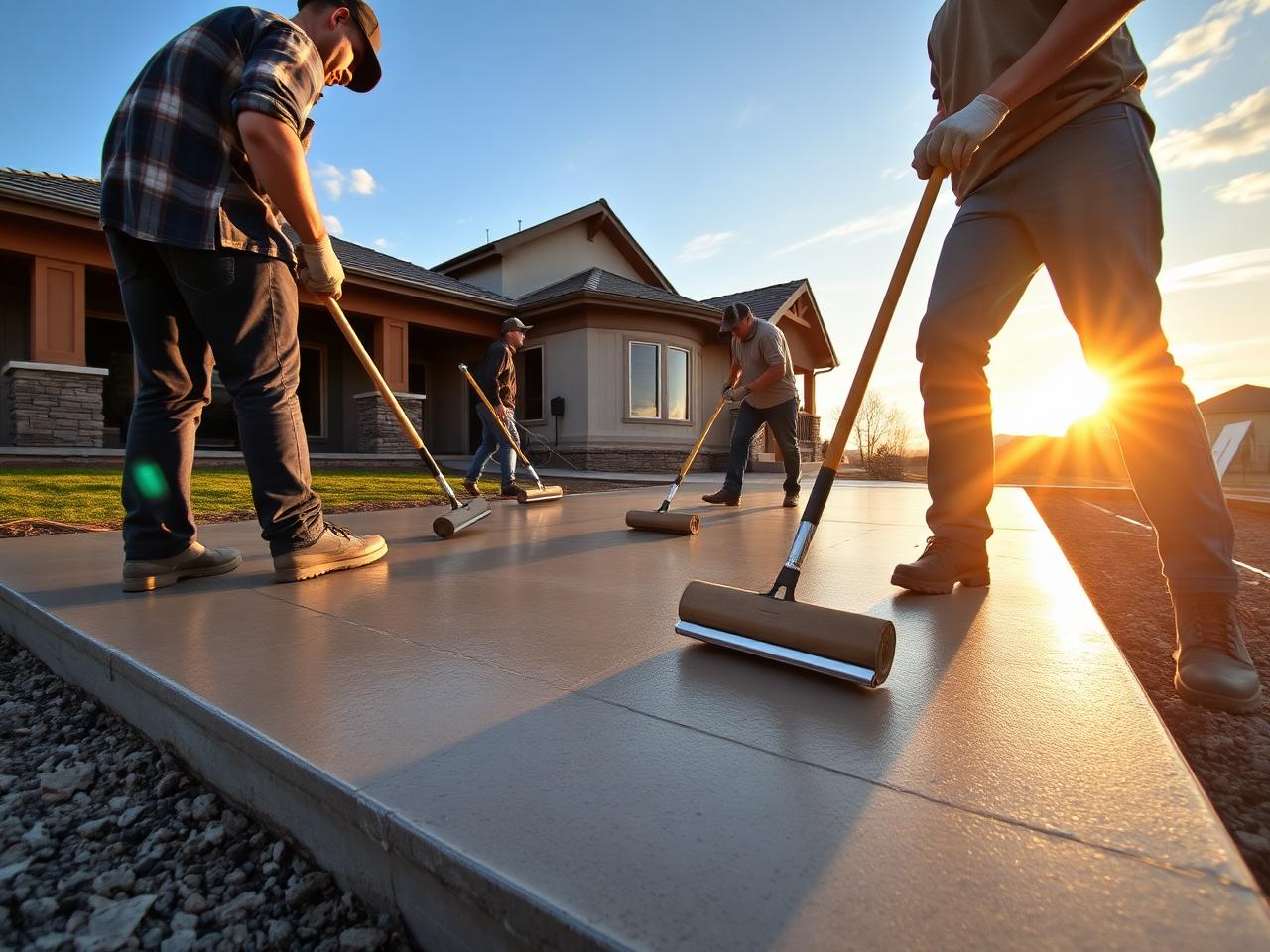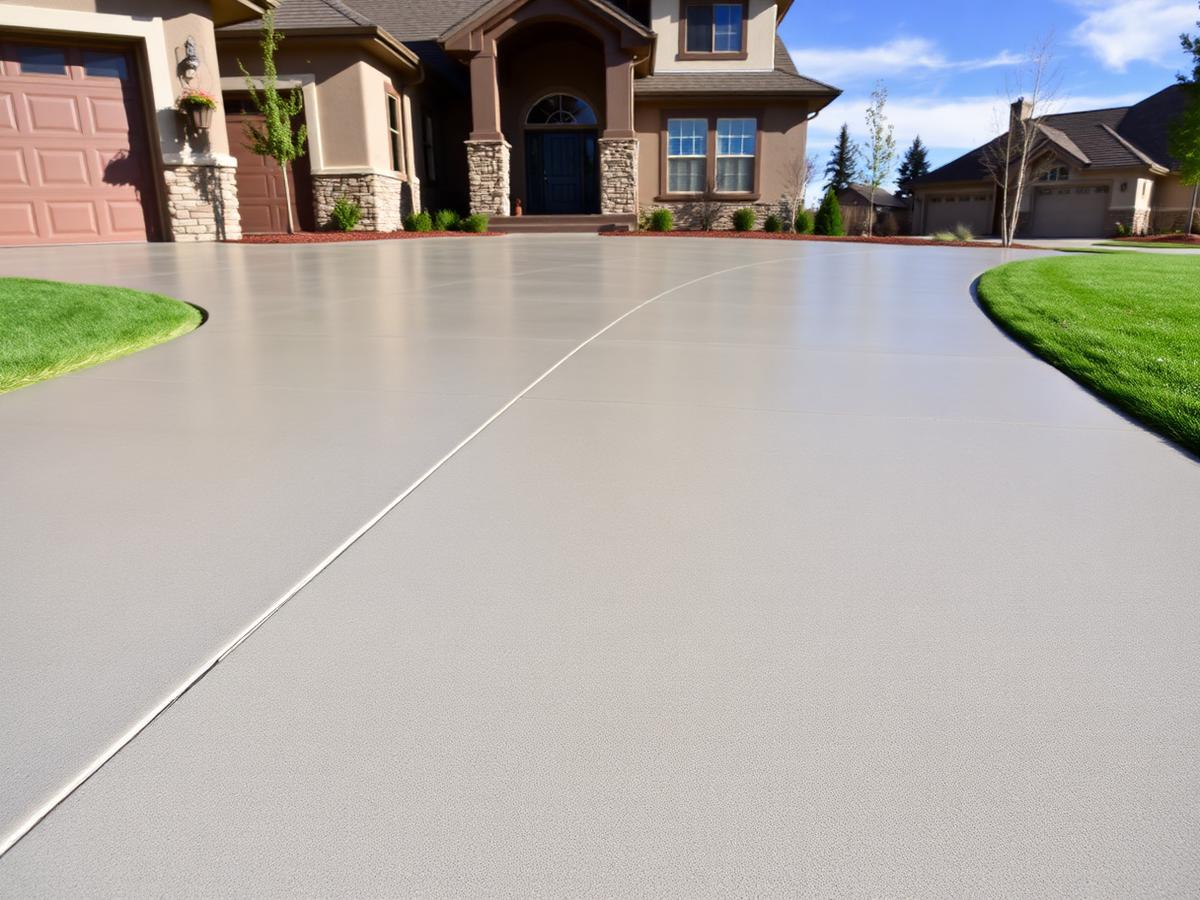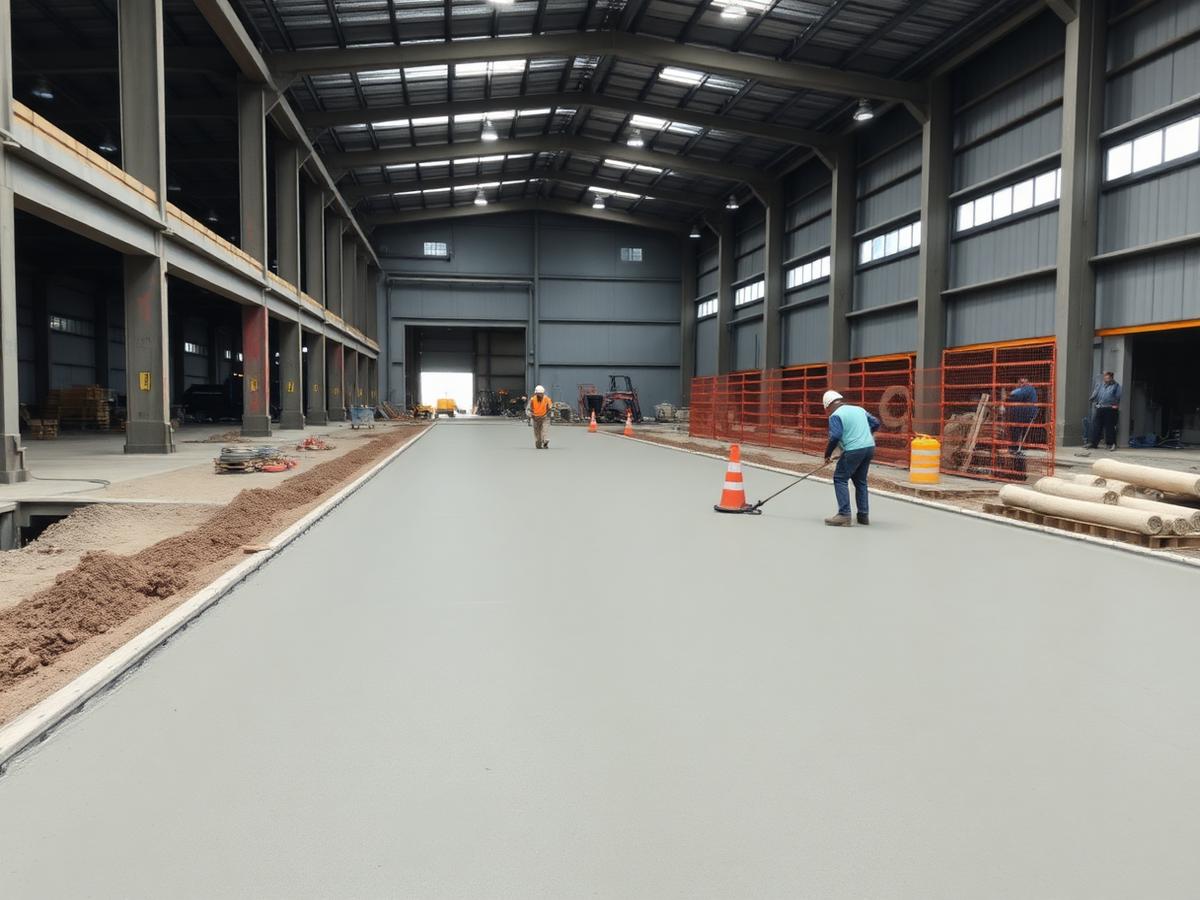
A commercial sidewalk is part of how people experience a property. Customers, employees, delivery drivers and tenants all depend on clear routes between parking areas, building entrances and outdoor spaces.
A commercial sidewalk is part of how people experience a property. Customers, employees, delivery drivers and tenants all depend on clear routes between parking areas, building entrances and outdoor spaces.
When concrete settles, cracks or develops uneven transitions, the impact can go beyond curb appeal. Poor drainage and damaged pavement may create safety concerns, complicate snow removal and interfere with accessible travel.
For property managers and business owners in Fort Collins, Loveland, Greeley and surrounding Northern Colorado communities, sidewalk replacement should start with a site assessment and a clear understanding of the route's function.
Quick answer: When should a commercial sidewalk be replaced? Replacement may be appropriate when concrete has significant settlement, repeated cracking, unstable support, unsafe changes in level, drainage problems or grades that cannot be corrected with a suitable localized repair. Whether replacement is necessary and what accessibility standards apply must be evaluated for the specific location and project.
Walk the Route the Way Visitors Use It
A sidewalk may look acceptable when viewed from the street yet feel uncomfortable to someone using a mobility device or carrying packages. Begin the evaluation at parking spaces and pedestrian arrival points, then follow the route to the entrance.
Look for:
- Cracked or displaced slabs
- Abrupt changes between concrete sections
- Ponding near building doors
- Slopes that feel excessive across or along the route
- Damaged curb ramps or missing transition details
- Uneven sections that become difficult to clear in winter
- Obstructions that reduce the usable walking width
Photos and measurements can help a property manager organize the concerns before meeting a contractor.
Understand the Role of Accessible Routes
Certain commercial facilities and routes must meet accessibility requirements. The 2010 ADA Standards for Accessible Design include criteria for accessible walking surfaces, including slope, cross slope, clear width and changes in level. For example, a walking surface that is part of an accessible route generally has a maximum running slope of 1:20 and a maximum cross slope of 1:48, subject to the applicable provisions and exceptions.
Ramps and curb ramps have separate requirements. Their dimensions and landings should not be inferred from a residential walkway example.
These standards are not a substitute for project-specific design. Existing-site conditions, alteration scope, local building codes, public right-of-way rules and other applicable requirements may change the technical approach. Property managers should involve qualified accessibility or design professionals as appropriate.
Why Surface Patches Are Not Always Enough
Some concrete defects can be addressed through a suitable localized treatment. But a sidewalk that repeatedly settles or tilts may have a support or drainage problem beneath the slab.
Patching the visible damage without addressing movement can leave the route uneven. In other cases, a failed connection between a sidewalk and entrance landing requires more extensive work to restore a suitable transition.
A contractor should identify the cause before recommending saw-cutting, partial replacement or broader reconstruction. The right scope depends on the actual failure, not just the age of the surface.
Coordinate Drainage and Finished Elevations
Concrete sidewalk replacement changes how surface water flows. The finished route needs to integrate with entrances, parking pavement, landscaped areas, curbs and existing drainage features.
An accessible route can still become difficult to use if water consistently pools and freezes on it. Drainage planning must therefore be coordinated with allowable slopes and surface transitions, rather than addressed after the forms are set.
Look for roof drains, irrigation overspray and snow-storage areas that feed water onto the proposed route. A good plan handles the source of the problem as well as the concrete surface itself.
Plan Demolition Around Business Operations
Commercial replacement work may affect tenant access, deliveries or parking. Even a short stretch of sidewalk can be a critical route if it serves the main entrance.
Discuss which sections can be closed, when work can occur and how visitors will reach the building safely during construction. Temporary accessible routes may be necessary depending on the site and applicable requirements.
A phased project may limit disruption, but it can also introduce additional transitions and coordination. The schedule should account for demolition, base preparation, forming, concrete placement, curing and reopening.
Use a Clear Scope and Project Specifications
Commercial concrete proposals should identify more than square footage. Ask about the required finished elevations, existing conditions, specifications, reinforcement where appropriate, joint layout, finish, drainage and the contractor's responsibility for cleanup.
If the work is part of a larger site improvement, confirm who coordinates permits, engineering, inspections and accessibility compliance. A concrete contractor can build to the approved documents, but property owners and design professionals may have separate responsibilities.
For work near public sidewalks or the street, verify the current jurisdiction's right-of-way and permit rules before scheduling demolition.
Plan for Northern Colorado Winter Conditions
Walkway maintenance does not end when the concrete cures. Snow storage, routine clearing and deicing practices should be considered in the design and property management plan.
A surface that receives constant runoff may turn into ice during freeze-thaw weather. Routine winter inspection can identify locations where water is trapped or where repeated maintenance may be hiding a drainage problem.
Ask the contractor for project-specific reopening and winter care instructions, especially if the work is completed late in the year.
Frequently Asked Questions
Do all commercial sidewalks have to meet ADA requirements?
Accessibility obligations depend on the facility, route, ownership, project scope and applicable law. A qualified professional should determine which specific standards govern the work.
Is grinding enough to remove a sidewalk trip hazard?
It may be suitable for some localized conditions, but it cannot resolve every slope, settlement or structural issue. The condition and applicable accessibility requirements need to be evaluated first.
Can a business stay open during sidewalk replacement?
Often, yes, with careful staging and access planning. The project must maintain safe routes for users and meet any applicable temporary-access requirements.
Make Commercial Concrete Work Better for Everyone
A well-planned sidewalk replacement can improve appearance, drainage and everyday access. Evaluating routes, elevations and requirements before construction helps property owners avoid repeat problems and confusing project scopes.
Skyline Concrete & Services provides commercial flatwork, sidewalk installation and concrete removal for businesses, property managers and general contractors in Fort Collins, Loveland, Greeley, Windsor and surrounding Northern Colorado communities. Request a free on-site quote to discuss your property's concrete needs.