Winter brings a different routine to concrete driveways, patios and sidewalks in Northern Colorado. Snow is shoveled, cars track in road salt, meltwater refreezes and shaded spots may stay icy even after sunnier sections have cleared.
Winter brings a different routine to concrete driveways, patios and sidewalks in Northern Colorado. Snow is shoveled, cars track in road salt, meltwater refreezes and shaded spots may stay icy even after sunnier sections have cleared.
Concrete is designed to endure outdoor conditions, but the way a surface is finished, drained, installed and maintained affects how it performs through repeated winters. For homeowners in Fort Collins, Loveland, Windsor and nearby communities, a few practical habits can reduce avoidable wear.
Quick answer: How can you protect exterior concrete in winter? Clear snow promptly with appropriate tools, keep drainage paths open, avoid excessive or unsuitable deicing chemicals, follow special instructions for newly placed concrete and inspect cracks or joints where water could collect. No treatment makes a surface immune to winter damage.
Understand Why Freeze-Thaw Cycles Matter
Concrete contains tiny pores. Water can enter through the surface, cracks and joints. Under some conditions, repeated freezing and thawing of saturated concrete contributes to scaling, cracking or deterioration.
Poor drainage increases risk by allowing moisture to remain in contact with the surface. Deicing chemicals can also aggravate certain forms of deterioration, particularly when there is repeated exposure to salty water.
The American Concrete Institute identifies drainage and limiting saturation as important to concrete durability. That is why water management is just as relevant in December as it was during installation.
Remove Snow Before It Turns Into Compacted Ice
Clearing snow early is usually easier than waiting for it to become hard-packed or repeatedly melted and refrozen. Use a snow shovel or other tool that is suitable for the concrete finish. Avoid striking decorative edges or joints aggressively with metal tools.
A rubber-edged or plastic-edged shovel may be gentler on some finishes, but equipment selection depends on the surface and volume of snow. For stamped or exposed-aggregate surfaces, ask the installer about any special snow-removal precautions.
When using powered equipment, set it up to avoid scraping or catching raised textures. Keeping snow removal consistent can reduce the temptation to use large amounts of chemical deicer later.
Be Careful With Deicing Products
Not all melting products have the same chemistry or effects. Rock salt and other chloride-based deicers can contribute to concrete deterioration under some conditions. The risks depend on surface condition, concrete age, moisture exposure, product and application.
Use deicers only when needed for safety, follow the product label and avoid overapplication. Sweep away leftover material when conditions allow. Sand or another suitable traction material may provide grip without relying solely on melting chemicals, although it also requires cleanup.
Be especially cautious with newly placed concrete. New slabs may have additional restrictions during their first winter. Ask the installer for written guidance before applying any deicer, and do not assume a product advertised as "safe for concrete" is automatically appropriate for a new surface.
Keep Meltwater Moving Away From the Surface
A drainage problem that is small in summer can become a recurring ice patch in winter. Look for downspouts discharging onto a path, snow piles placed where meltwater flows back across a driveway or low spots that hold water.
Do not pile all shoveled snow against the garage, building foundation or a low-lying section of patio. As temperatures rise, that snow will melt and travel somewhere.
If one spot freezes repeatedly, document where the water originates. The issue may be a grade or drainage condition rather than a need for stronger deicing products.
Protect Decorative and Sealed Concrete
Stamped and colored concrete deserves care suited to its finish. Some decorative surfaces use sealers to protect appearance, but sealing products have different maintenance and traction characteristics.
A worn sealer does not automatically require immediate winter application. Many products have temperature, surface-moisture and curing requirements. Ask your contractor or product manufacturer when cleaning, inspection and resealing should be scheduled.
Avoid harsh scraping and cleaning methods that may damage the texture or sealer. When snow is cleared, check whether water still drains toward the intended outlet.
Inspect Cracks and Joints Before and After Winter
A small hairline crack is not the same as an actively moving slab. Still, cracks and open joints deserve observation because they can collect water and debris.
Before winter, note existing conditions with photographs. Check for widening cracks, displaced sections, exposed reinforcement, surface scaling and areas where joints have lost material. In spring, compare the same locations and request a professional assessment if movement or significant deterioration appears.
Avoid treating every crack with the same filler. The correct product depends on the type of movement, joint and exposure, and some cracks indicate a deeper issue that a sealant cannot solve.
Adjust Care for New Concrete
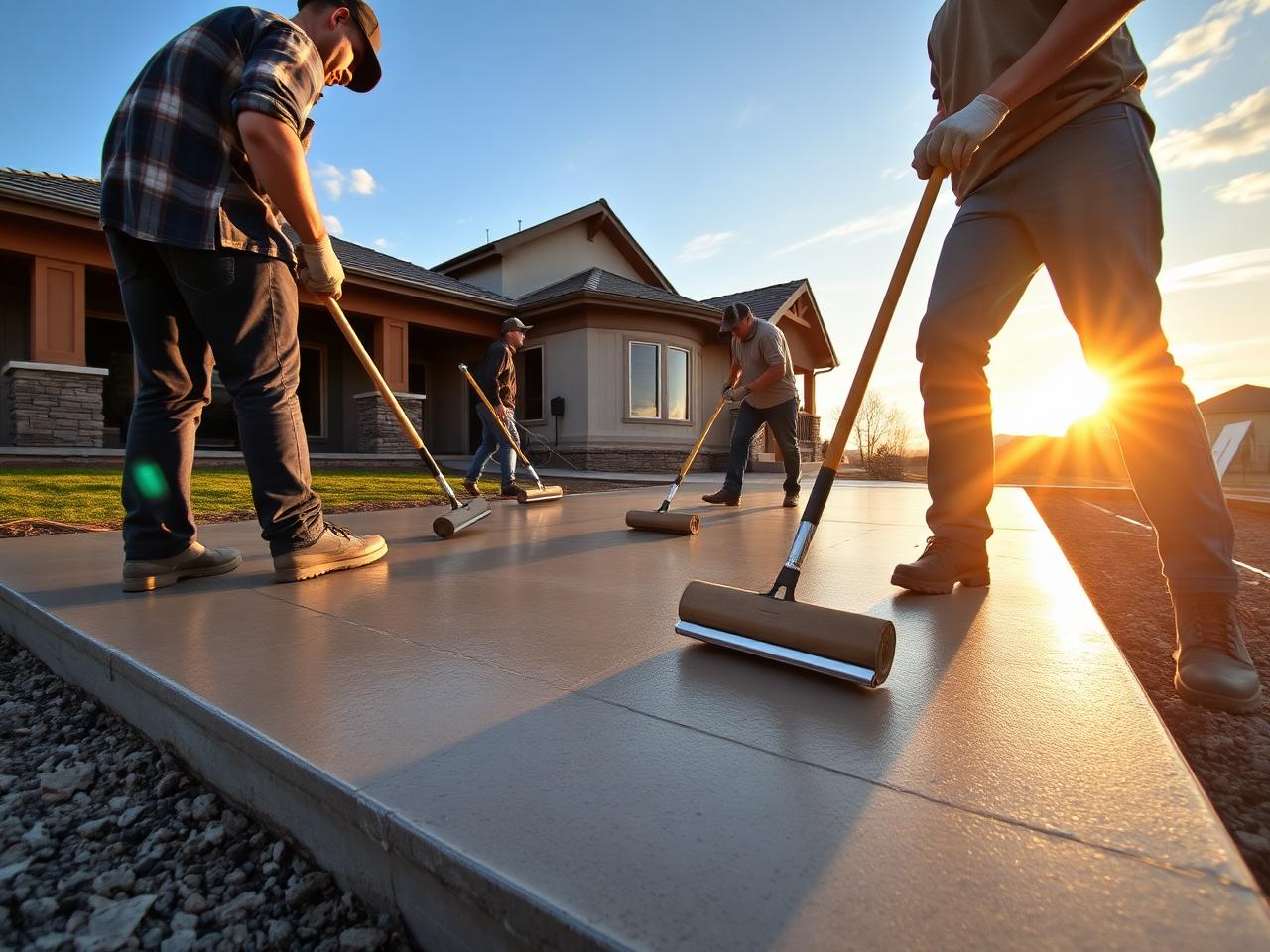
Concrete gains strength over time, and curing conditions are important. A slab placed late in the season may require specific protection and use restrictions based on temperature, mixture and project requirements.
The American Concrete Institute explains that cold-weather placement needs appropriate protection so fresh concrete is not damaged by freezing before it develops sufficient early strength. Homeowners should follow the installer's curing and reopening instructions, even if the surface appears dry.
Do not park heavy vehicles early or place concentrated equipment loads on a fresh slab without approval. A clear handoff from the contractor should include when to walk, drive, shovel and use maintenance products on the new concrete.
Frequently Asked Questions
Can road salt damage a concrete driveway?
It can contribute to deterioration under certain conditions, especially with repeated moisture exposure. Use products thoughtfully and follow the concrete contractor's recommendations for the slab.
Is it safe to shovel stamped concrete?
Usually, yes, using tools and methods appropriate for the surface. Avoid aggressive scraping that can damage texture, edges or sealer.
Should I seal my driveway before every winter?
There is no universal annual schedule. Sealer type, concrete condition, previous applications and manufacturer guidance determine whether resealing is appropriate.
A Little Winter Care Goes a Long Way
Winter maintenance is about controlling water, clearing snow responsibly and recognizing problems before they spread. It cannot prevent every crack, but it can help homeowners avoid unnecessary wear and keep outdoor areas more usable.
Skyline Concrete & Services installs driveways, patios, walkways and decorative concrete across Fort Collins, Loveland, Windsor, Timnath and surrounding Northern Colorado communities. If your concrete needs evaluation or replacement, request a free on-site estimate.