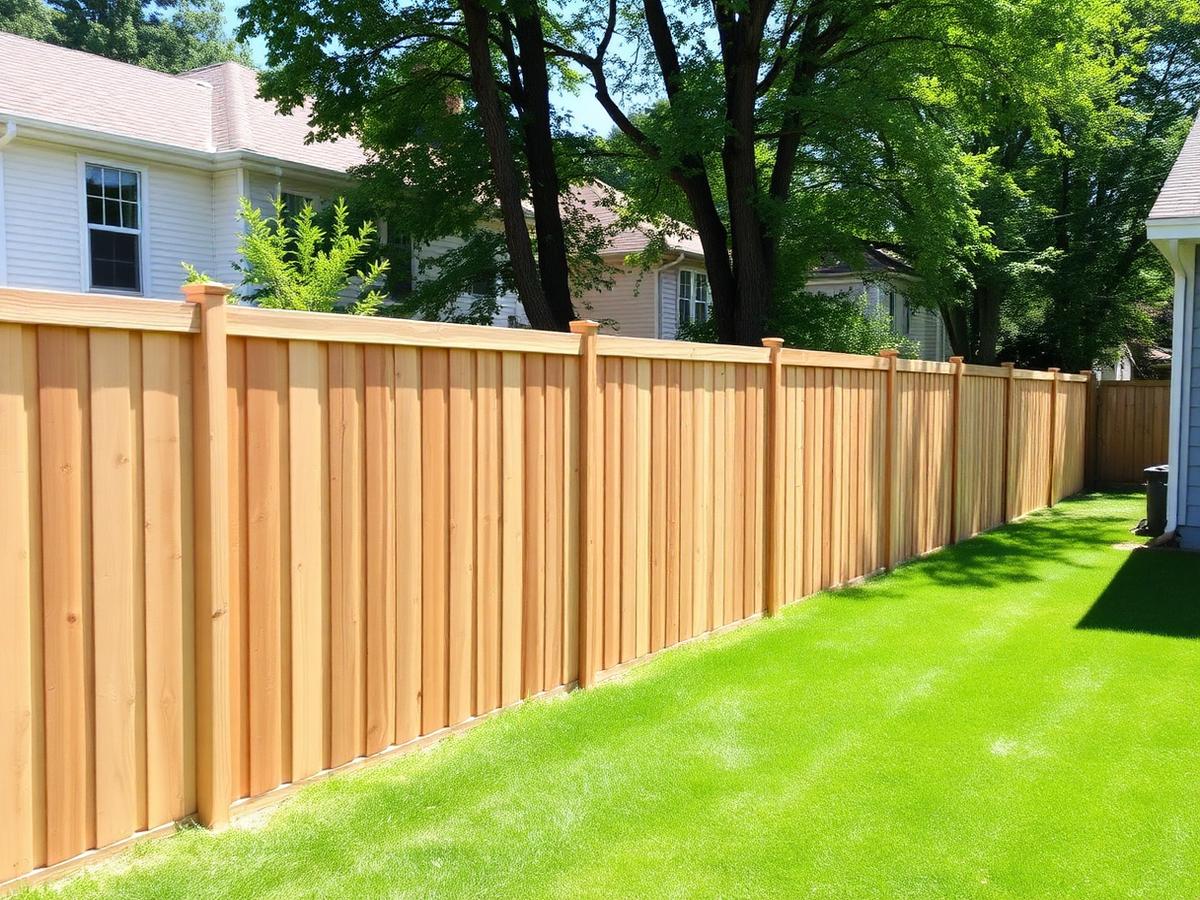
A new fence can add privacy, define outdoor space and make a backyard feel more complete. But what supports it is often more important than the panels people see.
A new fence can add privacy, define outdoor space and make a backyard feel more complete. But what supports it is often more important than the panels people see.
In Fort Collins, Loveland, Windsor and nearby communities, wind exposure, varying soil conditions and seasonal changes all affect fence performance. A quality installation starts with accurate layout and posts that are sized, positioned and supported for the proposed fence.
Quick answer: Why do fence post footings matter? Footings help resist fence movement and transfer loads into the ground. The right approach depends on fence height, material, post spacing, gate weight, soil conditions, local requirements and exposure to wind. Concrete-set posts are one common solution, but the installation details need to fit the site.
Start With the Purpose of the Fence
Before choosing a style, define what the fence needs to accomplish. A privacy fence works differently from a short decorative fence or ranch-style boundary fence. A fence that blocks views may catch more wind than a more open design. A large gate introduces extra forces at the supporting posts.
Consider whether you need:
- Privacy around a patio or yard
- A clear boundary around a side or rear yard
- A gate for lawn equipment or outdoor storage
- A coordinated look with landscaping and concrete walkways
- A decorative fence that frames, rather than hides, the property
Once those goals are clear, the installer can plan the height, materials, post spacing and access points.
Why Northern Colorado Conditions Affect Fence Posts
Fence posts experience repeated lateral loading from wind, especially on tall, solid panels. Water can also collect around posts or travel through poorly graded ground. Seasonal freeze-thaw changes and soil movement add another reason to take footing design seriously.
There is no universal hole depth or diameter appropriate for every fence in Northern Colorado. Footing requirements depend on local frost conditions, soil characteristics, fence design and applicable code. An experienced installer should evaluate the particular property rather than applying the same dimensions to every project.
A fence near a retaining wall, slope or recently disturbed soil deserves special attention. Posts need suitable support, and excavation should not undermine neighboring improvements.
How Concrete-Set Fence Posts Work
Concrete-set posts use a concrete footing or pier to help secure the post assembly in the ground. Proper placement can provide stable support for ordinary fence systems when used as part of a suitable design.
However, simply adding more concrete does not correct a weak layout. Post type, embedment, footing size, drainage and connections between posts and panels all matter. Different materials also need different details to manage moisture and corrosion.
For a metal-post system, the installer may use specified coatings or hardware. For wood, material selection and the way the post meets soil and concrete affect maintenance. Ask the contractor to explain how the chosen post system is intended to perform over time.
Gates Require More Planning Than Ordinary Fence Panels
A gate is one of the most demanding parts of a fence. It moves repeatedly and places weight on the hinge post. Wider openings and heavier gates may need a different post or footing design from adjacent fence sections.
Poorly aligned gates may drag, latch inconsistently or change position as posts move. During planning, confirm the opening width, swing direction, ground clearance and path of travel. Make sure a gate will not collide with steps, raised garden beds or a concrete walkway.
On sloped properties, gate clearance becomes especially important. A thoughtful layout can avoid awkward gaps while still allowing the gate to operate.
Check Property Lines, Easements and Local Fence Rules
Before work begins, confirm where the fence is allowed. Surveys, recorded easements, HOA rules and city requirements can affect location and height. Do not assume an existing fence marks the legal property line.
For example, the City of Fort Collins states that fences 6 feet tall or shorter generally do not require a fence permit, while taller fences do. It also lists separate height limits for front-yard areas. That is not a blanket approval for every fence: site placement, visibility, easements and other requirements still apply, and rules differ by jurisdiction.
Call for appropriate utility locates before digging. Colorado 811 notes that public utility marking does not necessarily cover private lines such as irrigation or landscape lighting.
Coordinate the Fence With Concrete and Landscaping
Fence projects often connect to other yard improvements. A new privacy fence may surround a patio, meet a retaining wall or run beside a fresh walkway. Planning those features together can make the finished space look intentional and help avoid digging up new work.
Think through sprinkler head locations, surface drainage, future grading, gate access and whether equipment will need to pass through the fence line for a later project.
Where a fence follows a slope, you may choose stepped or racked panels depending on the system. Discuss how either approach will affect the ground-level gaps and visual line.
How to Compare Fence Installation Quotes
A good fence quote should define the material, height, approximate length, post system, gates, demolition of an old fence if necessary, site conditions and cleanup. Ask whether the contractor has accounted for difficult digging, rocks or access limitations.
The proposal should also state who will confirm property boundaries, utility locates, HOA approvals and permits. Those responsibilities are easy to overlook until installation day.
Frequently Asked Questions
Should every fence post be set in concrete?
Not every fence system uses the same post foundation. Concrete-set posts are common, but suitable alternatives depend on the fence design, manufacturer recommendations, soil and code requirements.
How deep should fence posts go in Colorado?
There is no safe one-size-fits-all depth. Local requirements and the project's expected wind loads, fence height, post type and ground conditions determine the right design.
Do I need a permit for a fence in Fort Collins?
The city's published guidance says fences 6 feet or shorter generally do not need a fence permit, but height, placement and other rules still apply. Verify the current requirements for the specific property.
Build a Fence That Works From the Ground Up
Good fencing begins with careful planning below the visible fence line. When layout, footings, gates and site conditions are addressed together, homeowners get a more functional outdoor improvement.
Skyline Concrete & Services offers fence installation with concrete-set posts across Fort Collins, Loveland, Windsor, Timnath and surrounding Northern Colorado communities. Contact the team for a free estimate and discuss the right fence for your property.