A new patio, walkway or slab starts with the ground. If the work area contains an old stump, dense roots, brush or unsuitable soil, pouring concrete without a site plan can create problems that stay hidden until the project is finished.
A new patio, walkway or slab starts with the ground. If the work area contains an old stump, dense roots, brush or unsuitable soil, pouring concrete without a site plan can create problems that stay hidden until the project is finished.
In Fort Collins and throughout Northern Colorado, established yards often combine mature trees, underground irrigation, sloped landscaping and older hardscape. Those features make preparation especially important when a homeowner wants to add usable concrete space.
Quick answer: Do tree roots and stumps need to be removed before pouring concrete? Organic material should not be left in a slab's supporting base where decomposition or movement could compromise support. However, removing roots near a healthy tree can harm it. The best approach depends on the planned concrete location, tree condition, root zone and project design. Sometimes changing the slab layout is better than removing the tree.
Understand What Is in the Work Area
Start by identifying what occupies the proposed footprint. The site may contain grass, shrubs, gravel, old mulch, surface roots, buried stump wood, irrigation, landscape lighting or remnants of previous construction.
Not all debris is obvious from above. An old stump may have been ground below the surface while significant roots remain. A section of backyard fill might also contain loose organic material unsuitable for supporting a new slab.
A concrete contractor should evaluate the surface and ground conditions before promising a final elevation or start date. If a large tree or complex root system is involved, a qualified arborist may need to assess the potential impact.
Why Stumps and Organic Material Are a Concern
Wood, roots and other organic material can decay over time. As that happens, soil support and void conditions may change. For flatwork, the goal is to create a stable, compacted base suited to the project's intended use.
Removing a stump does not automatically mean every nearby root must come out. The scope should focus on what the proposed work actually requires. Extensive digging in the root zone of a tree that will remain can compromise its health and stability.
If the tree is close to a foundation, utility line, fence or retaining wall, removal may need extra planning to protect adjacent improvements.
Tree Removal and Stump Grinding Are Different Services
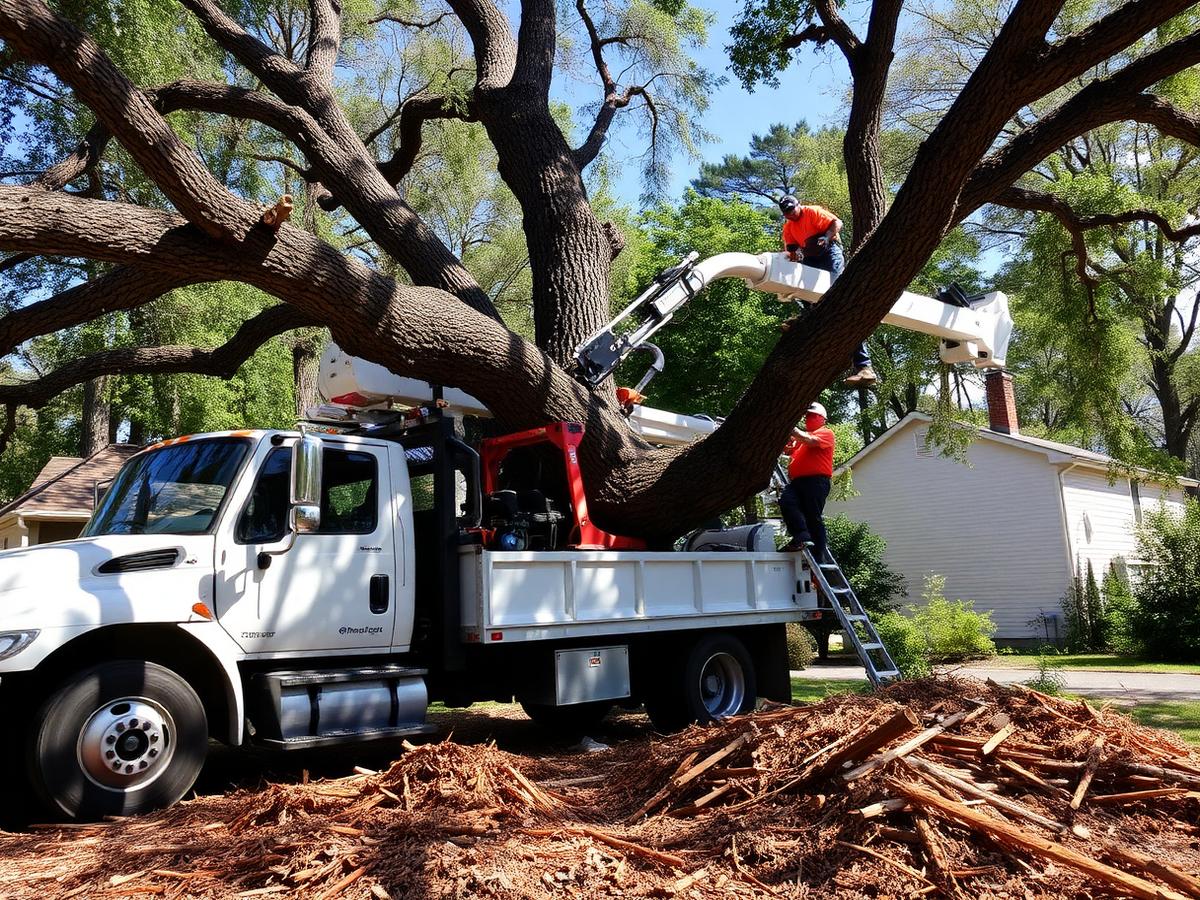
Tree removal addresses the above-ground tree, while stump grinding reduces the remaining stump below the surface. For concrete construction, the installer also needs to evaluate the soil and organic material that remain after grinding.
The necessary excavation depth and replacement material vary by project. A good site plan should explain what happens after the visible tree or stump is gone, not stop at clearing the surface.
Ask who will handle removal, debris hauling, additional excavation and rebuilding the supporting base. Coordination between phases can reduce confusion and prevent a freshly cleared site from sitting unfinished.
Protect Healthy Trees When You Can
A patio does not always need to be placed directly over an existing root zone. Adjusting the shape, size or alignment may preserve a mature tree and provide enough room for the outdoor space you want.
Root pruning and changes in ground level can stress established trees. Homeowners who want to keep a tree should have the layout reviewed with that goal in mind. The tree's species, age, health and root spread all affect what can be done safely.
Remember that trees grow. A narrow walkway placed close to an expanding trunk may need more frequent attention later even if it looks fine at the time of installation.
Locate Utilities and Irrigation Before Digging
Tree and stump removal can involve digging in areas with buried utilities, private irrigation lines and lighting cables. Colorado 811 offers public utility locate services, and private lines may need a separate locate.
Irrigation is particularly easy to overlook in an established Northern Colorado yard. Before work begins, map sprinkler heads, valve boxes and any known buried lines. Decide whether lines need to be rerouted to accommodate the new concrete.
Keep future maintenance access in mind. Avoid locating permanent concrete over infrastructure that may need excavation unless the design specifically addresses it.
Clear, Grade and Compact for the New Slab
Once vegetation and obstructions are addressed, the site can be evaluated for excavation and grading. The contractor should remove unsuitable material as required, establish an appropriate sub-base and compact it to the project specifications.
Water management is part of this stage. A patio or walkway changes the distribution of runoff, so finished grades should direct water toward acceptable drainage areas without creating ponding near a house or neighboring property.
These decisions may not be visible in the completed project, but they affect how well the concrete performs under everyday use and seasonal weather.
Plan Related Improvements Together
Sometimes a tree blocks the exact path of a proposed walkway. In other cases, removing overgrown landscaping may open enough room for a new patio, privacy fence or garden wall. If several changes are planned, create one site layout before beginning demolition.
Coordinating work can also help manage equipment access. A new fence installed before backyard demolition may make it harder for equipment to reach the slab area. Similarly, final landscaping should account for where the concrete edges and finished grades will be.
Frequently Asked Questions
Can concrete be poured over old tree roots?
Organic roots within the required supporting base can contribute to future instability as they decay or move. The proper treatment depends on the site and whether a healthy tree must be preserved.
Is stump grinding enough before installing a patio?
Not necessarily. The contractor may still need to remove grindings or unsuitable material and rebuild the base. The answer depends on excavation depth and actual conditions.
Should I remove a tree just to make room for a concrete walkway?
Not automatically. A different walkway alignment or design may preserve the tree. Evaluate the layout and consult an arborist for significant root-zone impacts before deciding.
Get the Site Ready Before the Concrete Arrives
Quality concrete work starts with a clear, stable and properly prepared site. Addressing trees, stumps, utilities and drainage early can prevent costly redesigns after forms or concrete are in place.
Skyline Concrete & Services provides tree and site removal as well as patio, walkway and concrete slab work in Fort Collins, Loveland, Windsor, Greeley and nearby Northern Colorado communities. Contact Skyline for a free on-site estimate and plan the project from the ground up.